
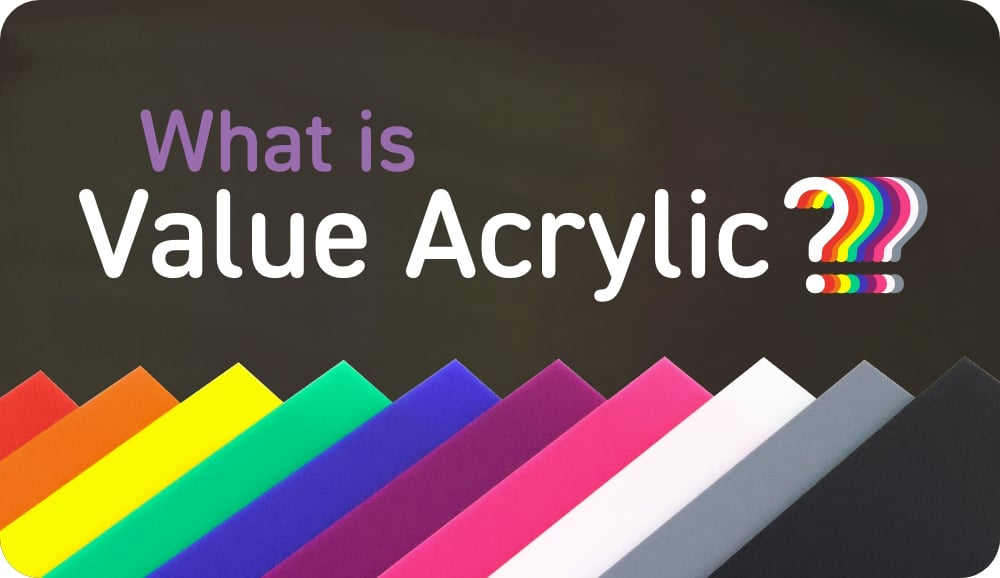
Value Acrylic sheets are a type of cast acrylic sheet offered at a lower price point, designed to give schools and makers a reliable material for laser cutting, engraving, and general D&T projects. It provides the same machining performance as branded cast acrylic but at a significantly reduced cost, making it ideal for classrooms, prototypes, and workshop use.
With raw material prices rising across the board, schools and makers are feeling the pressure. If you manage a materials budget, you’re faced with a difficult choice: pay more for the same items, or look for alternatives that still deliver reliable results. Kitronik’s Value Acrylic range exists to give you that alternative, high-quality cast acrylic at a significantly lower cost.
What Is Acrylic?
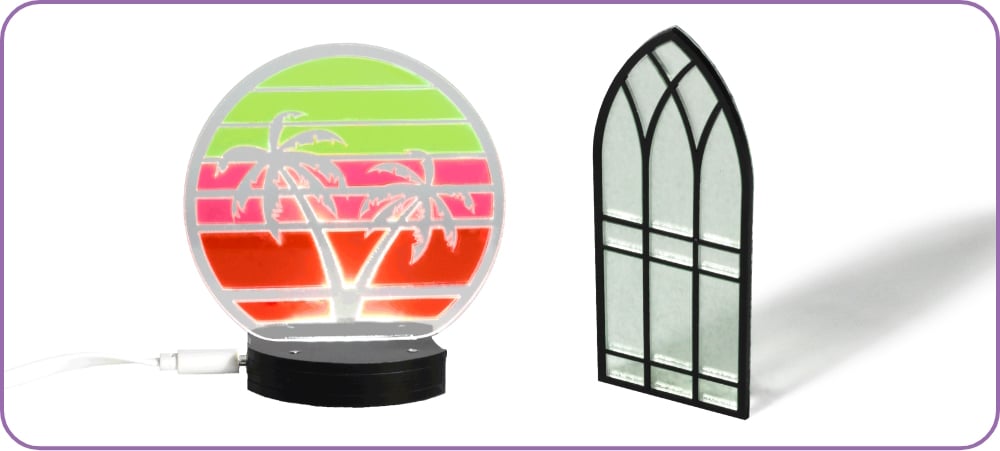
Acrylic is the common name for polymethyl methacrylate (PMMA), a lightweight, impact-resistant thermoplastic. You may also hear it called “plexiglass”. Acrylic softens when heated, making it easy to shape, bend, and machine, one of the reasons it’s so popular in schools and among makers.
Acrylic is often used as a replacement for glass. It’s around 50% lighter, up to 30× more impact-resistant, and transmits more light than glass of the same thickness. When acrylic breaks, it cracks rather than shattering into sharp fragments, making it safer for classroom use.
There are two main types of acrylic: extruded and cast. The difference comes from how they’re manufactured. Cast acrylic is poured into moulds and cured, resulting in a denser, more consistent sheet. Extruded acrylic is rolled out in a continuous process, making it cheaper but less stable under heat.
Cast acrylic is the premium option, easier to work, more durable, and more chemically resistant. Extruded acrylic is typically sold as a budget alternative. Many manufacturers produce both to cover different market needs.
What Is Value Acrylic, and How Does It Compare?
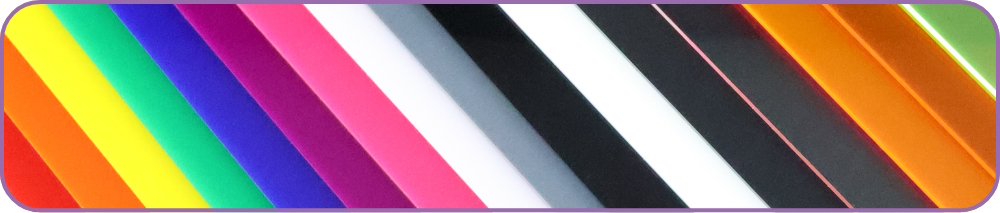
We currently stock almost 20 lines of Value Acrylic, and every sheet has two key things in common:
1. They are all made from cast acrylic.
2. They are significantly cheaper than branded cast acrylic.
In practical terms, Value Acrylic behaves just like branded cast acrylic. It cuts cleanly, engraves crisply, and works perfectly in laser cutters, CNC routers, and thermoforming processes. For almost all school and maker applications, you’ll get the same results.
The only meaningful difference is colour consistency. Because Value Acrylic is sourced for cost efficiency, colours may vary slightly between batches. For most D&T projects, signage, prototypes, and decorative work, this isn’t an issue. However, if you manufacture products for sale and require exact colour matching across multiple batches, branded acrylic may be preferable.
What Can Value Cast Acrylic Be Used For?
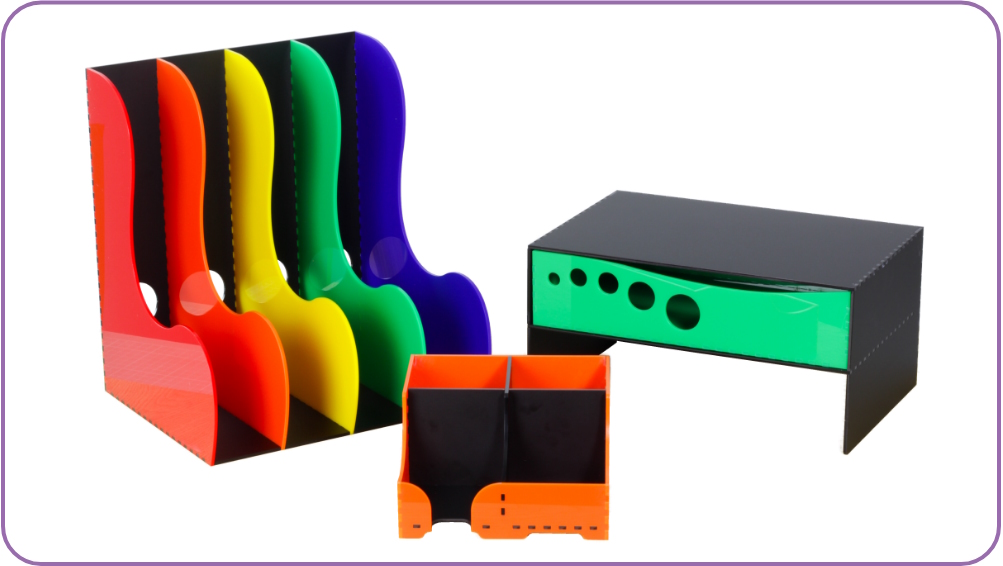
Value cast acrylic can be used for the same applications as branded acrylic. Typical uses include:
Point-of-sale displays, model making, signage, artistic and architectural installations, casings, custom enclosures, fragrance and lotion containers, instrumentation readouts, dial covers, and more.
If your project uses acrylic, Value Acrylic will almost certainly work.
Working with Acrylic Sheets
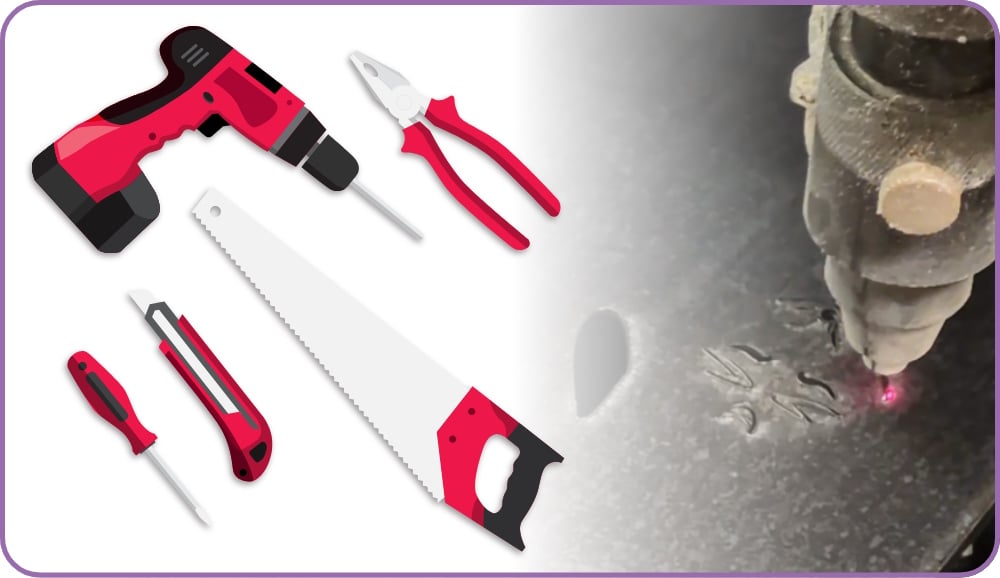
Acrylic is extremely versatile. It can be cut, drilled, laser-cut, and thermoformed. When heated above 140–180°C, it becomes flexible and can be shaped or bent. Once cooled below 85°C, it becomes rigid again.
Acrylic sheets are often shaped using a CNC router or laser cutter. Laser-cut edges have a polished appearance, and you may notice fine vertical lines caused by the laser pulses. If you need a perfectly smooth finish, techniques such as diamond polishing or flame polishing can be used.
Surface etching with a laser cutter can produce striking visual effects. In our testing, Value Acrylic cuts and engraves just as cleanly as branded acrylic, provided your laser is properly calibrated and your lenses are clean.
All of the techniques above apply equally to branded acrylic and the Value Acrylic range. For more detailed guidance, explore our laser materials resource section.
Conclusion
Value Acrylic can be used in place of branded acrylic for almost all applications. The main advantage is cost, it’s significantly cheaper. The main limitation is colour consistency between batches. If your priority is stretching your materials budget, the Value Acrylic range is an excellent choice. Browse the full range to see what’s available, and if you need something specific, get in touch, we’re always happy to help.
If you enjoyed this guide, you can sign up for our newsletter here to receive new free learning resources as they’re released.